Image, room, sound, system, shared structure

One practice, still learning new containers

This work began in photography and darkroom process, where memory, mistranslation, threshold, and technical limitation first became inseparable. It later widened through installation, moving image, glitch, sound, code, fabrication, teaching, and public systems.

The current instruments, consent-forward image systems, learning platforms, and machine-care frameworks are not a break from the earlier art. They are later containers for the same long-running questions about loss, control, participation, public form, and care.

How this practice moves

The media line stays continuous even when the tools change

The practice moves from image, to room, to sound, to system, to shared structure. What changes is the container. The underlying questions stay unusually consistent.

  1. Photographymemory translated through framing, chemistry, distance, and loss
  2. Early objects and prototypesflight, ambition, numbering, injury, and proof
  3. Installations and thesis workgrief staged, contradiction made public, many points of entry
  4. Moving image and glitchpressure sequenced in time, unstable seeing made explicit
  5. B_S.pressure sounded, ritualized, and shared through repetition and collapse
  6. Code, sensing, and fabricationinvisible relations made legible and unreal forms forced through material constraint
  7. Tools, platforms, and machine carecare, legibility, participation, maintenance, and continuation operationalized

The archive stays visible because current work has roots. These older pages are preserved experiments and active lineage, not dead leftovers.

Fleet doorway

This practice reads as a fleet, not a pile

Tools, scenes, learning environments, and support systems feed one another. The fleet is current, but it rests on a much longer line of photographs, rooms, wounded prototypes, glitched images, noise, and public experiments.

Tools

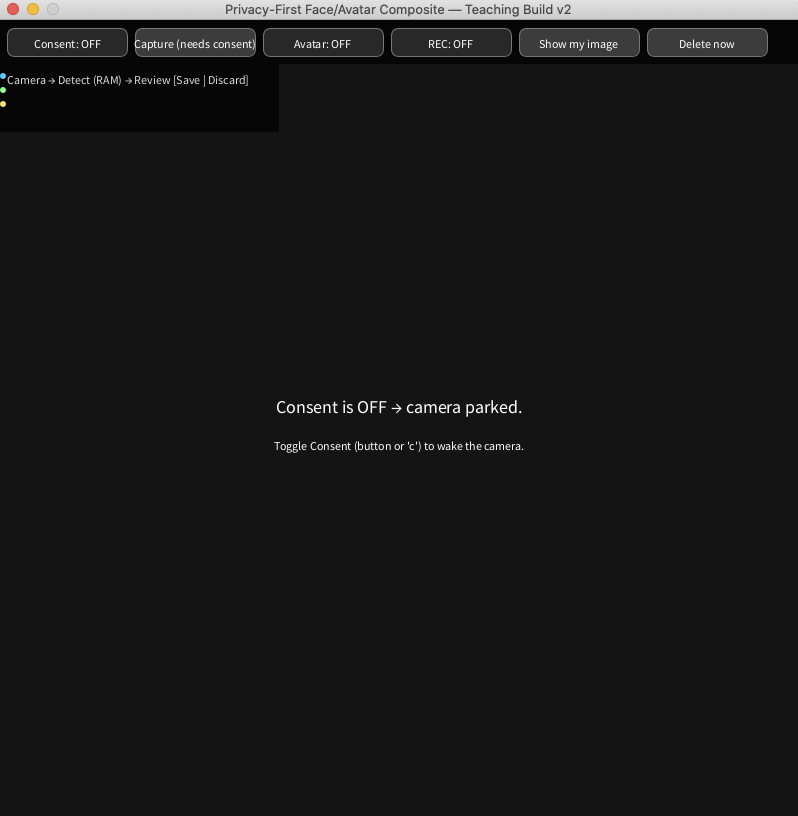
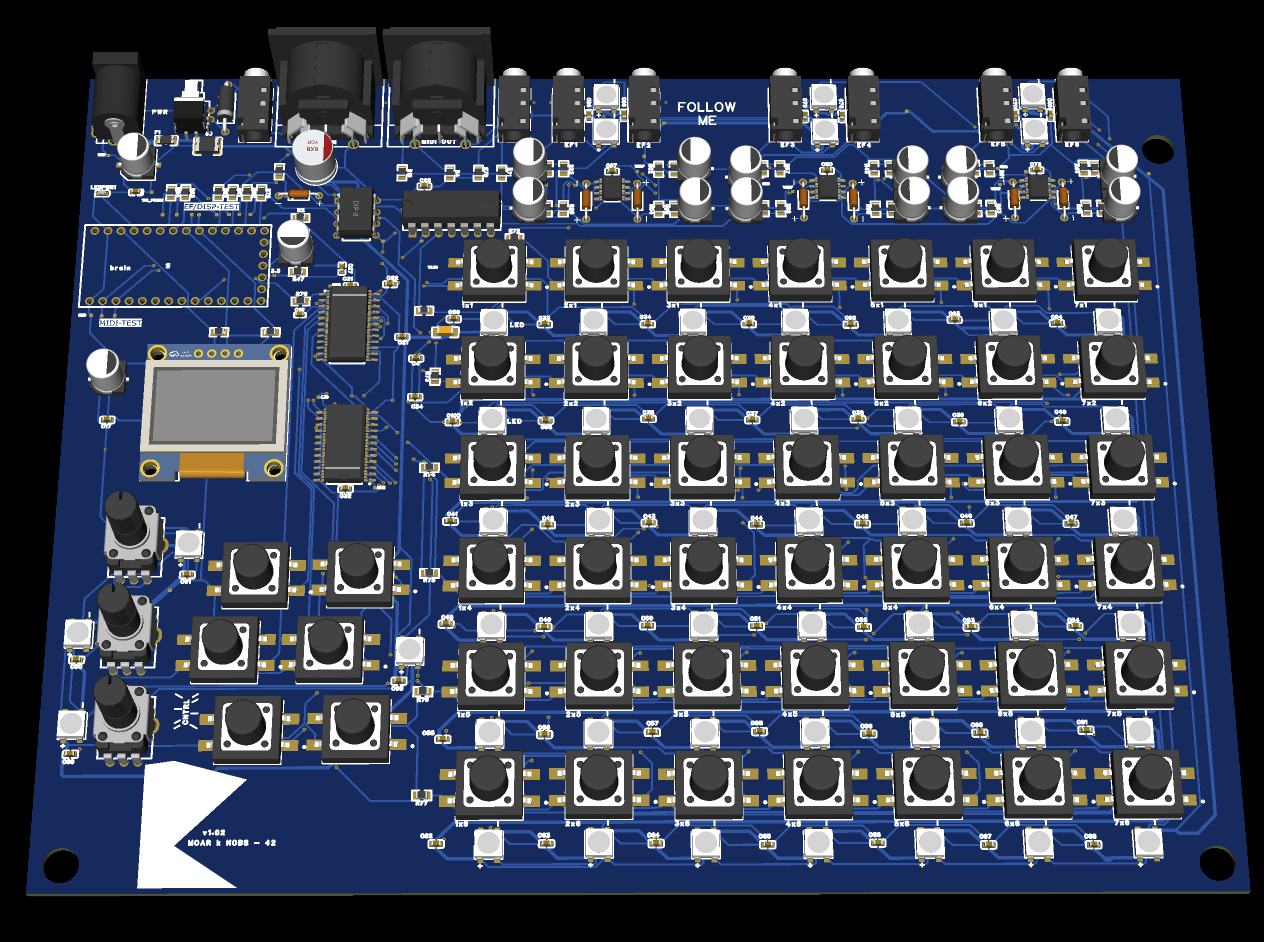
Consent-forward instruments and kits shipped with reproducible builds, bench notes, and explicit operating constraints.

Enter through tools

Scenes

Installations and performance systems where participation, control, and operations stay visible instead of disappearing backstage.

Enter through scenes

Learning

Curricula, station cards, and quick-start kits that turn digital literacy into civic practice and portable teaching structures.

Enter through learning

Systems & Distribution

Deployment, publishing, governance, and care structures that keep the rest of the fleet legible, shared, and maintainable.

Enter through systems

How To Read This Site

Where truth lives

The site has three layers on purpose. Repos carry live specifics, studio-notes carries cross-project truth, and Atlas shows how the whole fleet relates. The archive remains visible so those present-tense systems can still be read against their roots.

Project repos

Go there for the current build, code, setup, show logic, and project-specific documentation.

Open repositories

studio-notes

Go there for reusable patterns, decisions, trusted reference, and teaching cards harvested from across the fleet.

Open studio-notes

Atlas

Go there when you need the relationship map: what supports what, where a project sits, and how the fleet is maintained as a whole.

Open Atlas

Fleet core

Maps for reading the practice

These are working diagrams, not decorative summaries. They show how the current project ecology hangs together, while the lineage copy elsewhere keeps visible where these structures came from.

Homepage-level

Fleet map

A practice-level map that places the core works inside the four main operating zones of the site.

Open source draft
Show diagram

Cross-project layer

The fleet stays coherent because cross-project truth has a home

studio-notes is where reusable truth gets distilled: the pattern worth repeating, the reason a choice was made, the baseline worth trusting, and the teaching version that can travel. It is one of the places where years of constrained making, machine care, and rebuild logic become method instead of private overhead.

Why the archive stays visible

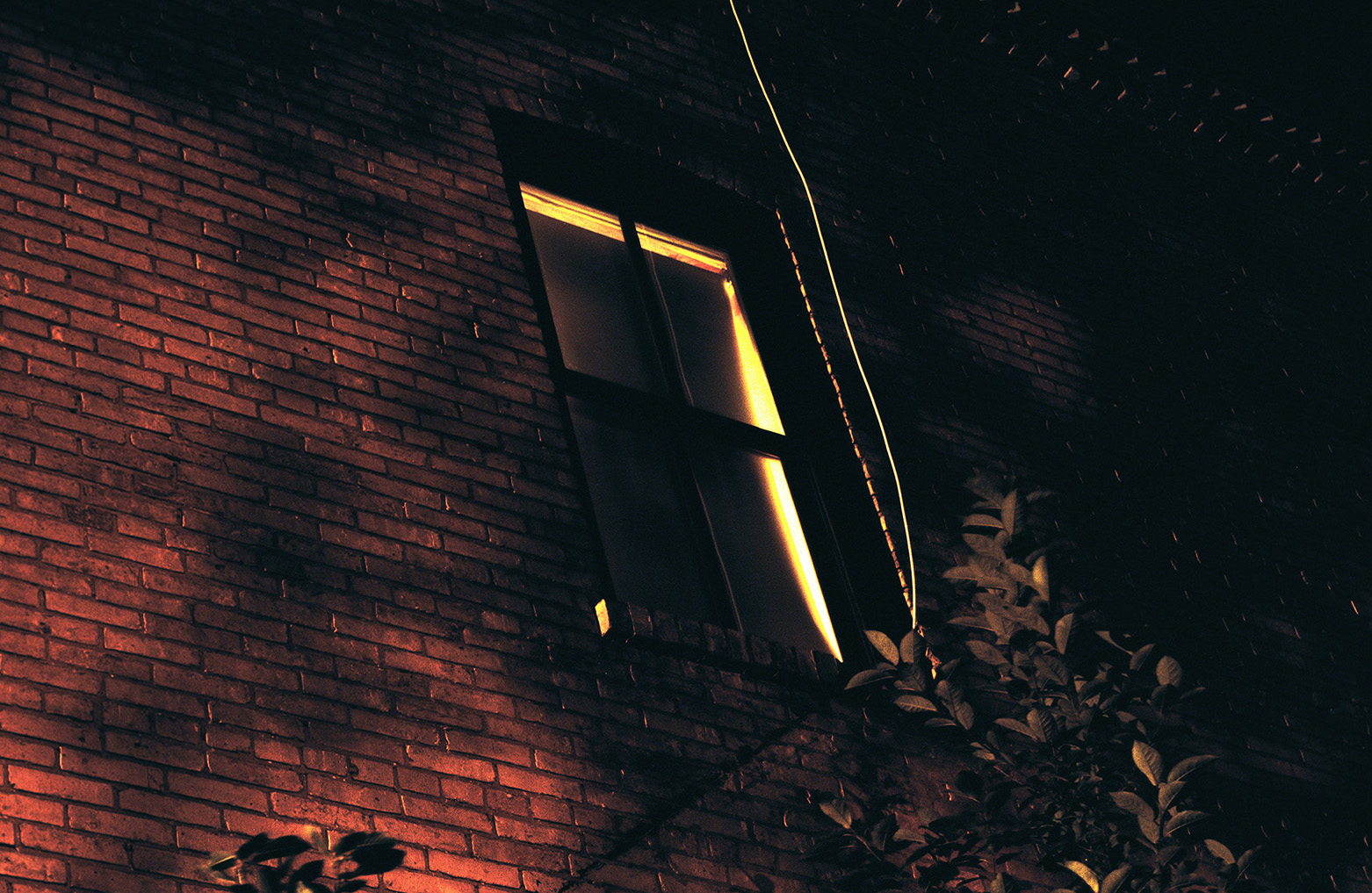
The archive remains published because the current systems work has roots: photographs of lit windows, handmade rockets, injury-indexed sculpture, post-TBI image fragments, projection environments, Java systems, and early hybrid interaction stacks. New work cites those experiments directly, even when the container now looks like infrastructure.