Archive bridge
The media line stays continuous even when the tools change
This practice moved from image, to room, to sound, to system, to shared structure. The container changed. The questions stayed consistent.
The earliest work begins in photography and darkroom process, where the image is treated less as proof than as translation: memory passing through chemistry, framing, apparatus, distance, and loss. Night Stalker Re-Runs on Channel 4 sits near that root, where lit windows, rerun logic, and uneasy distance turn mediated sight into a problem rather than a certainty.
From there, the work widened into installation, text, moving image, and public situations. What changed over time was not the question but the container. Grief, contradiction, failed promises, pressure, unstable seeing, and partial access kept reappearing as room-scale situations, glitched sequences, sound, code, prototypes, and shared structures.
Recent tools, scenes, learning systems, and machine manuals still carry those earlier concerns: who gets seen, how memory is held, what a system erases, and what care looks like when it takes operational form. The current systems layer is not a break from the earlier art. It is one later container for the same long-running questions.
- Photography memory translated through framing, chemistry, distance, and loss
- Early objects and prototypes ambition, flight, injury, and proof
- Installations and thesis work grief staged, contradiction made public, many points of entry
- Moving image and glitch pressure sequenced in time, unstable seeing made explicit
- B_S. pressure sounded, ritualized, and shared through repetition and collapse
- Code, sensing, and fabrication invisible relations made legible and material constraint made part of the form
- Tools, platforms, and machine care care, legibility, participation, maintenance, and continuation operationalized
Open a root
Selected lineage notes and archive routes
These pages stay public as active roots, not leftovers. Use them to move between preserved archive records and the current studio and Atlas layers.
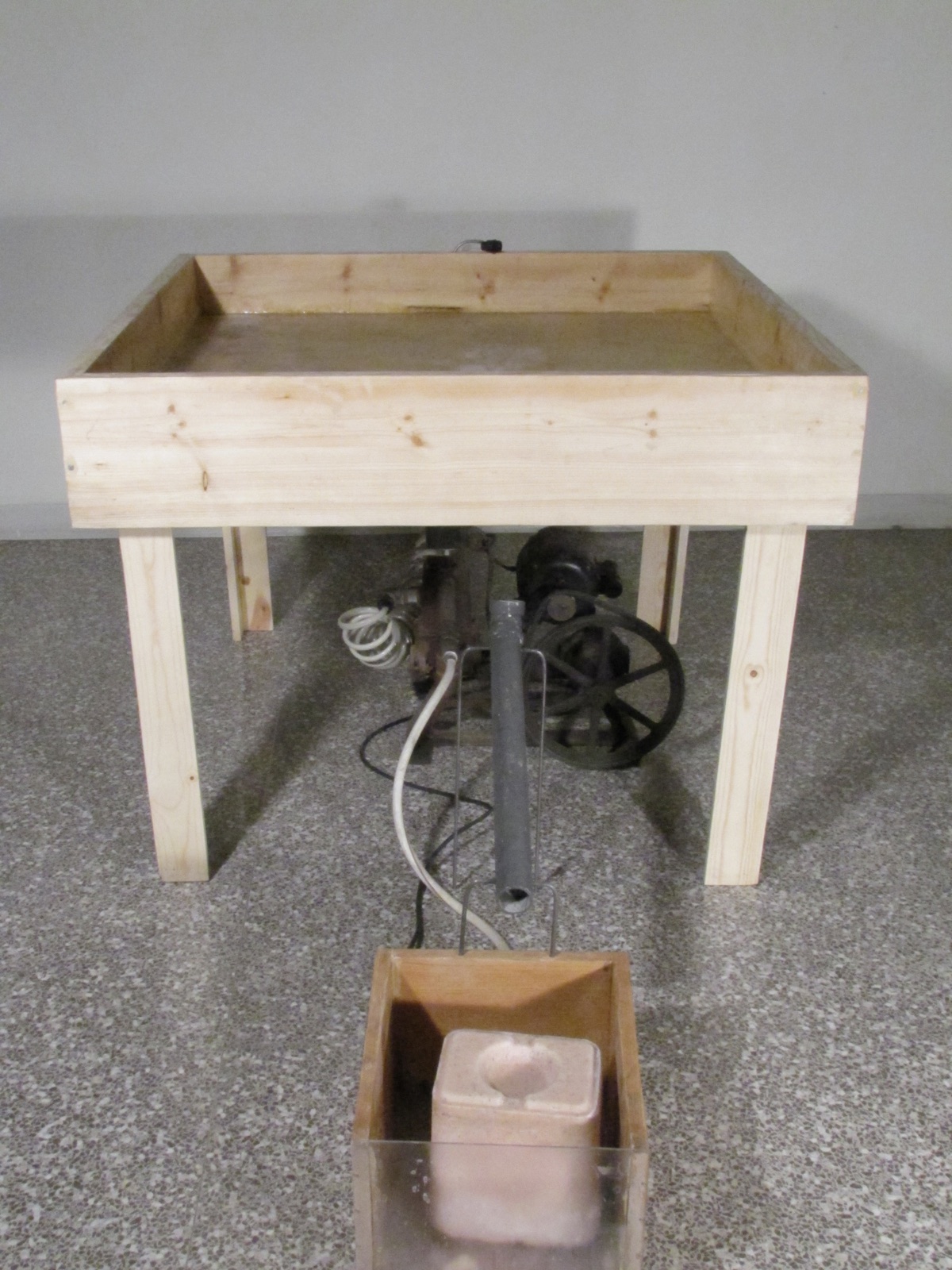
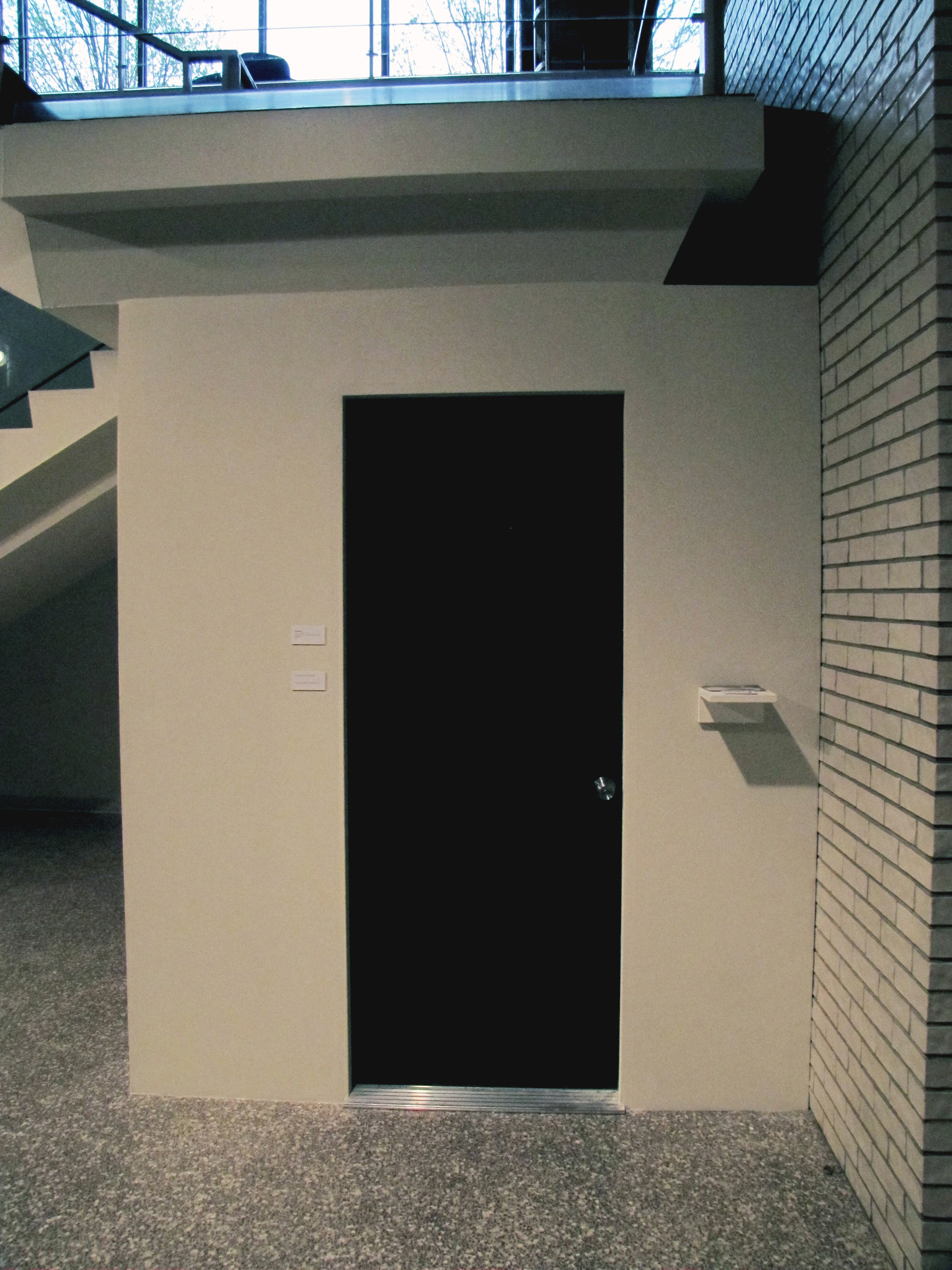

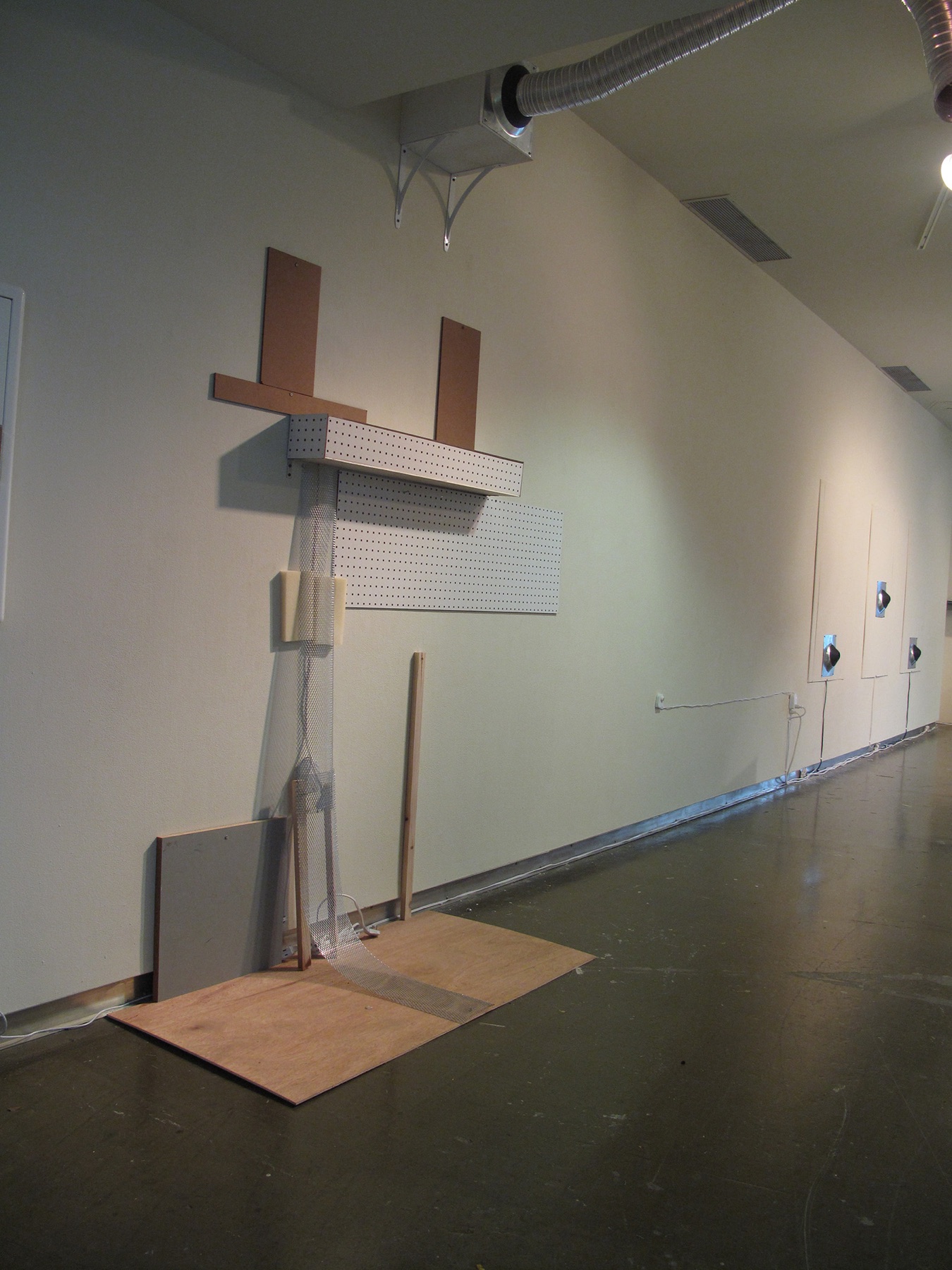
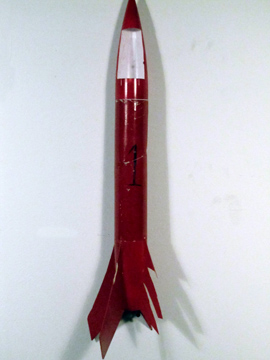
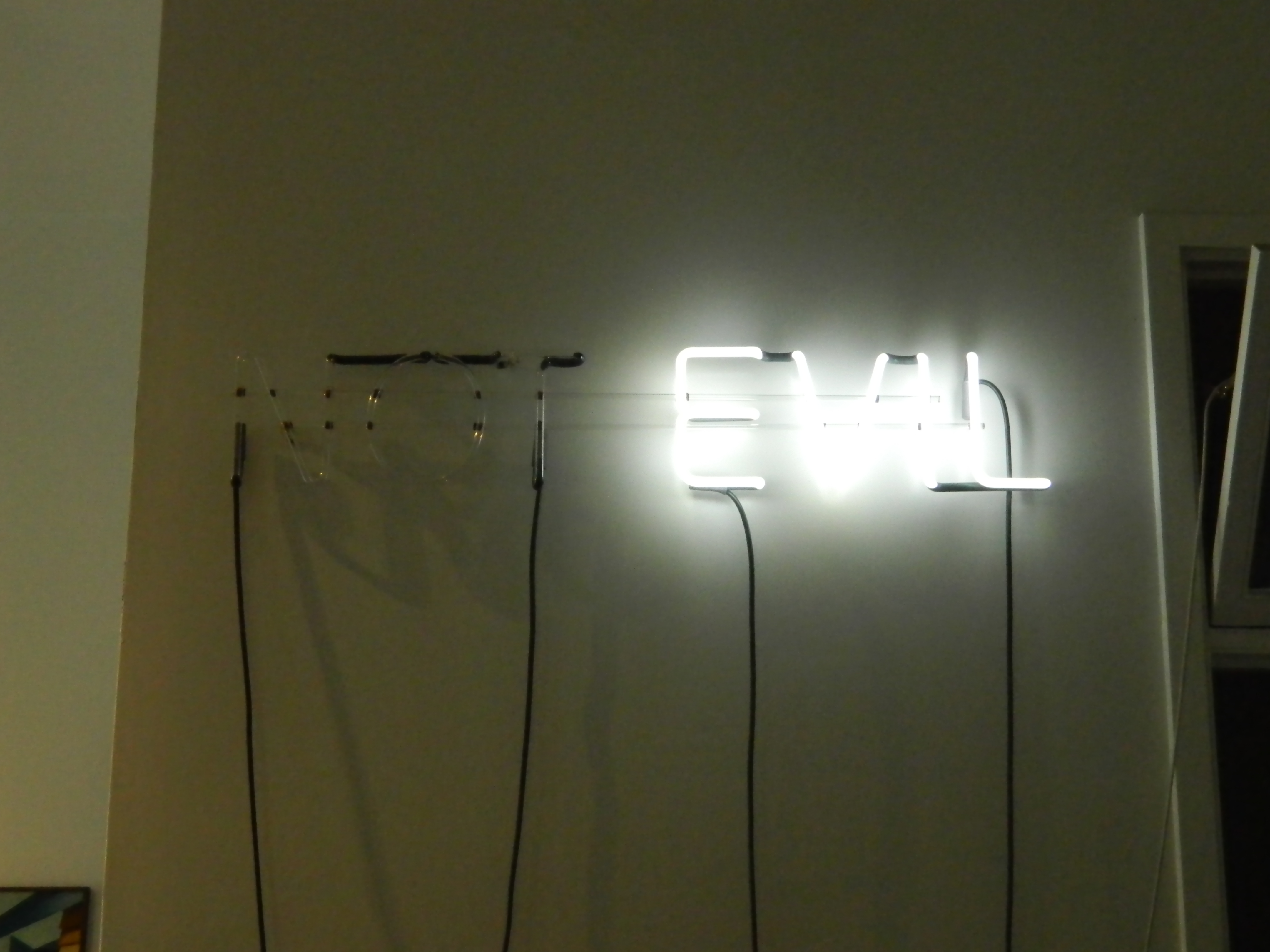
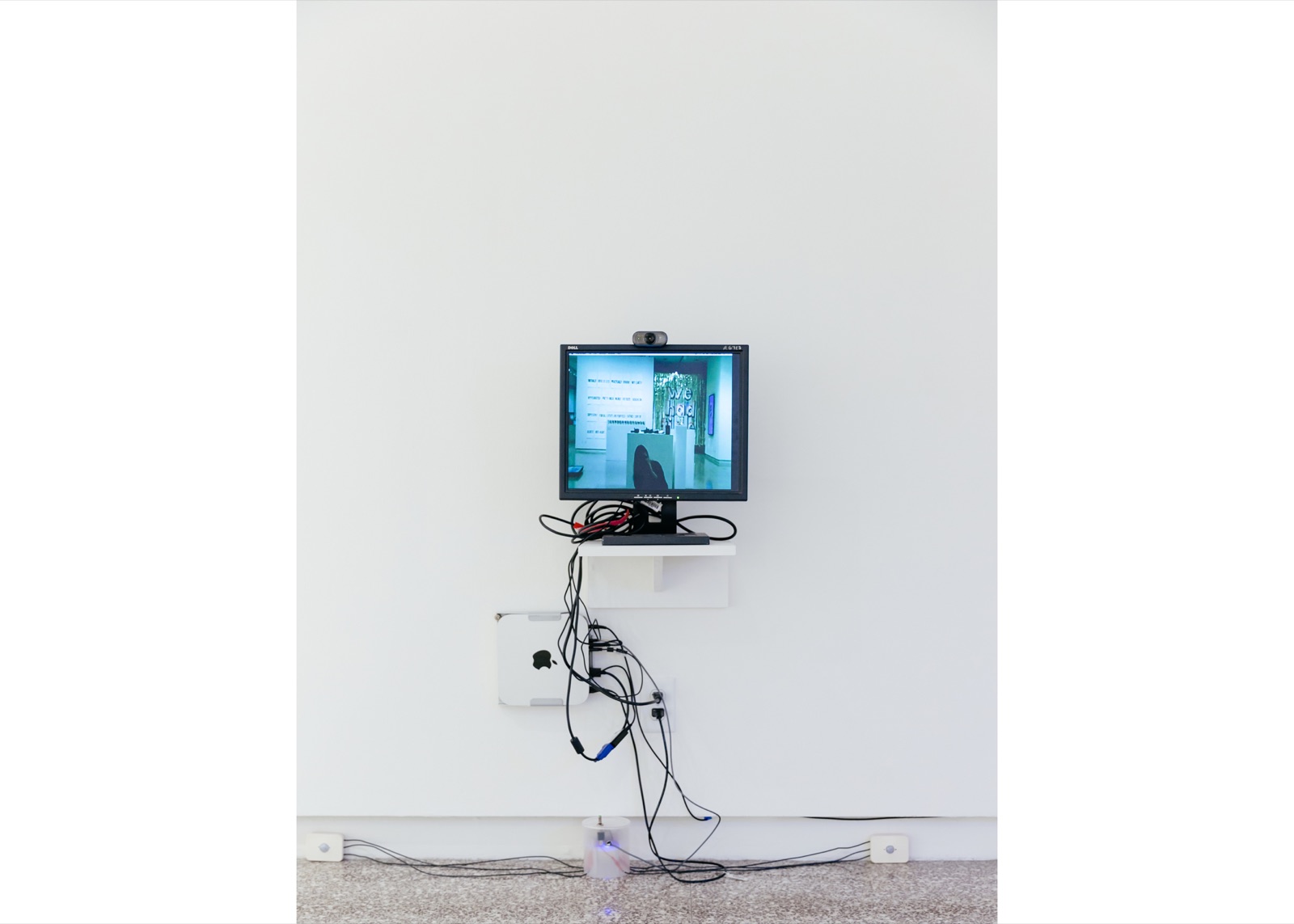
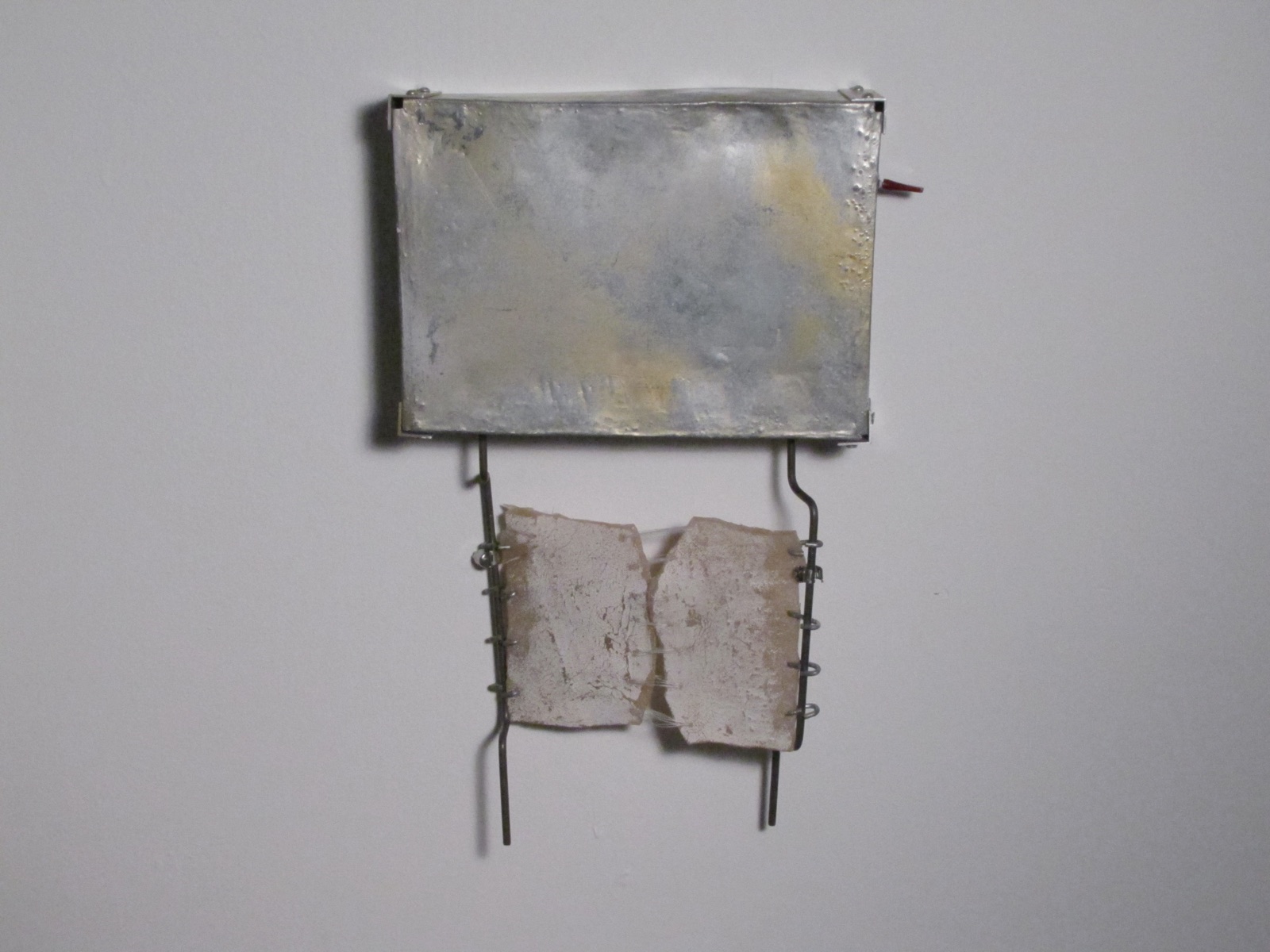
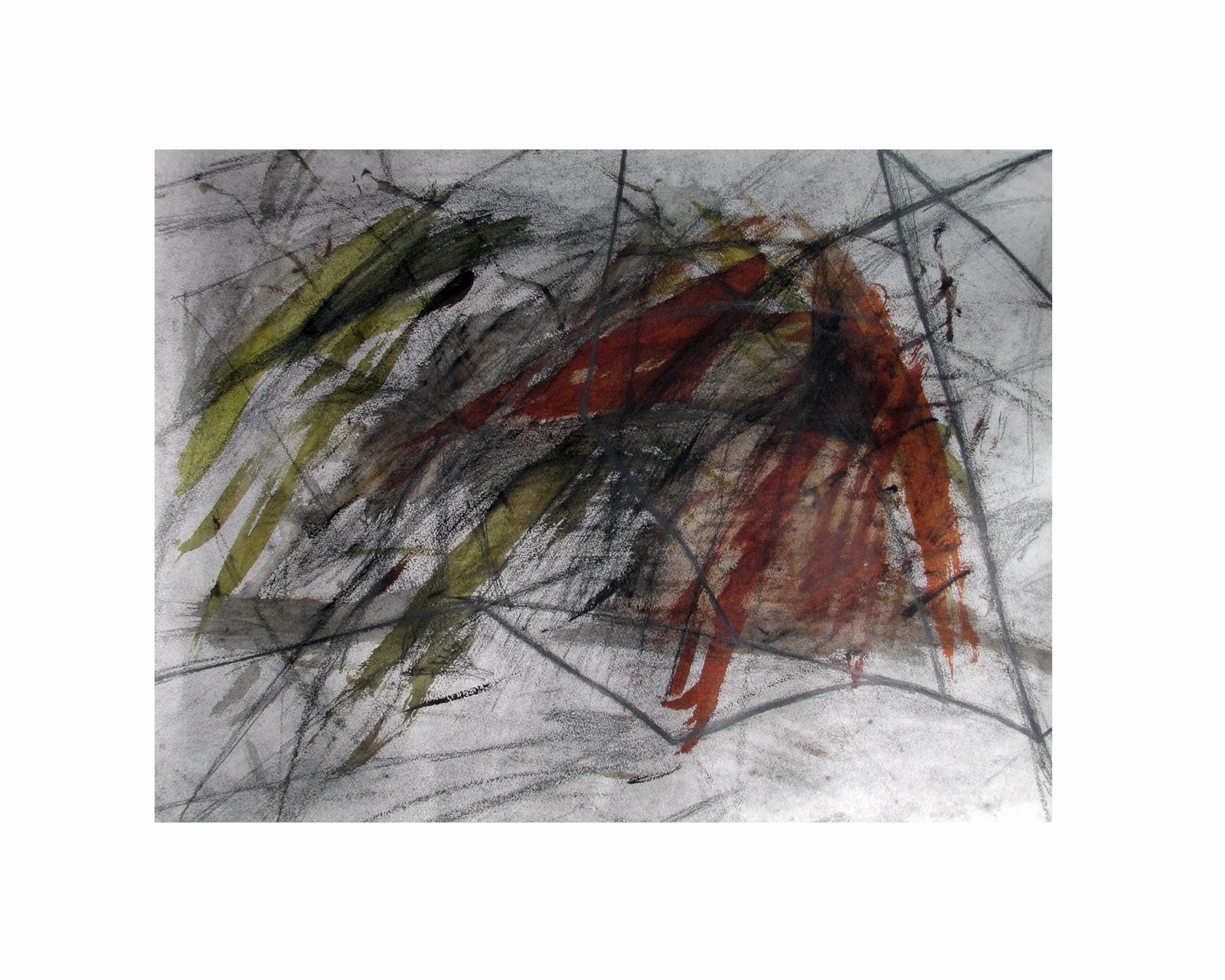
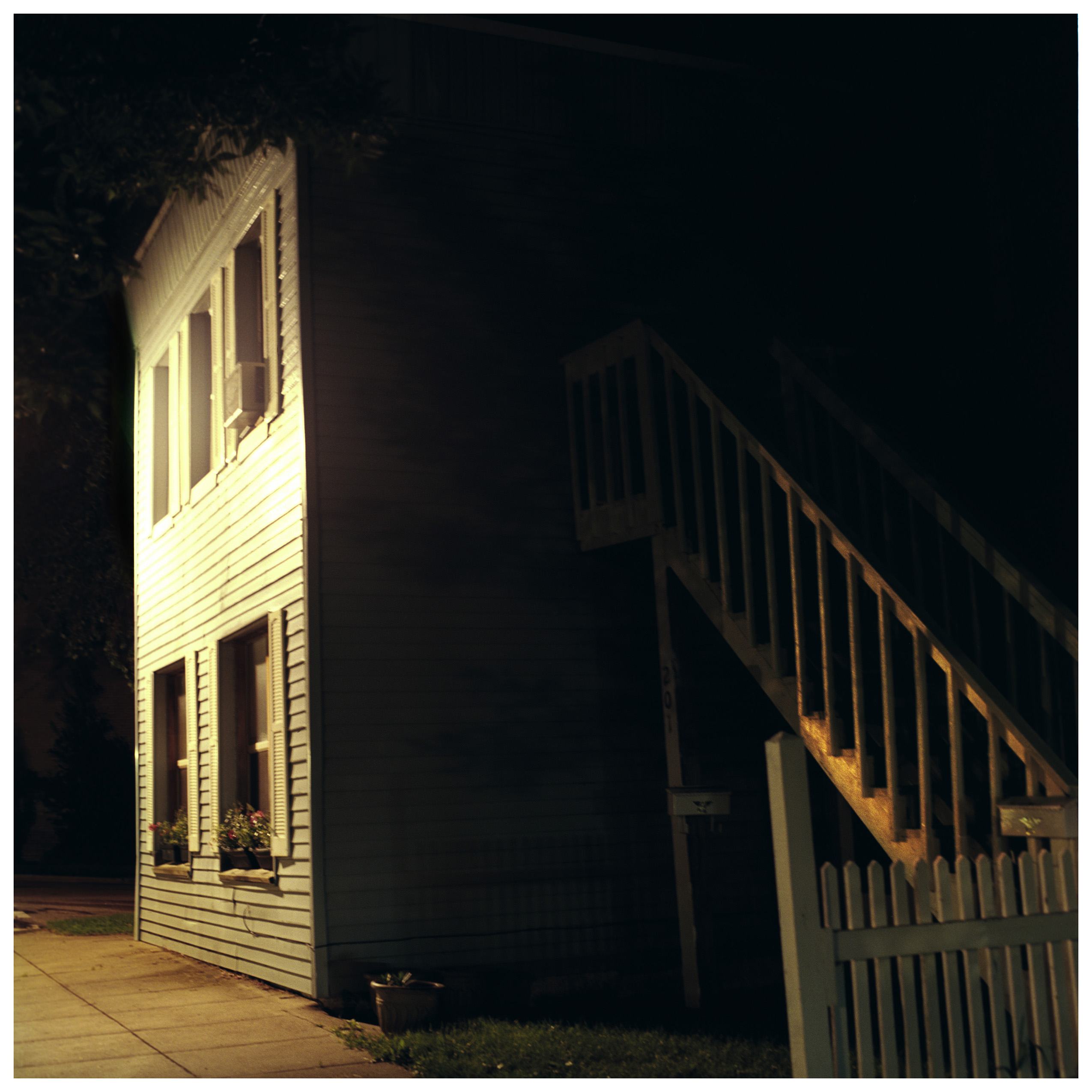
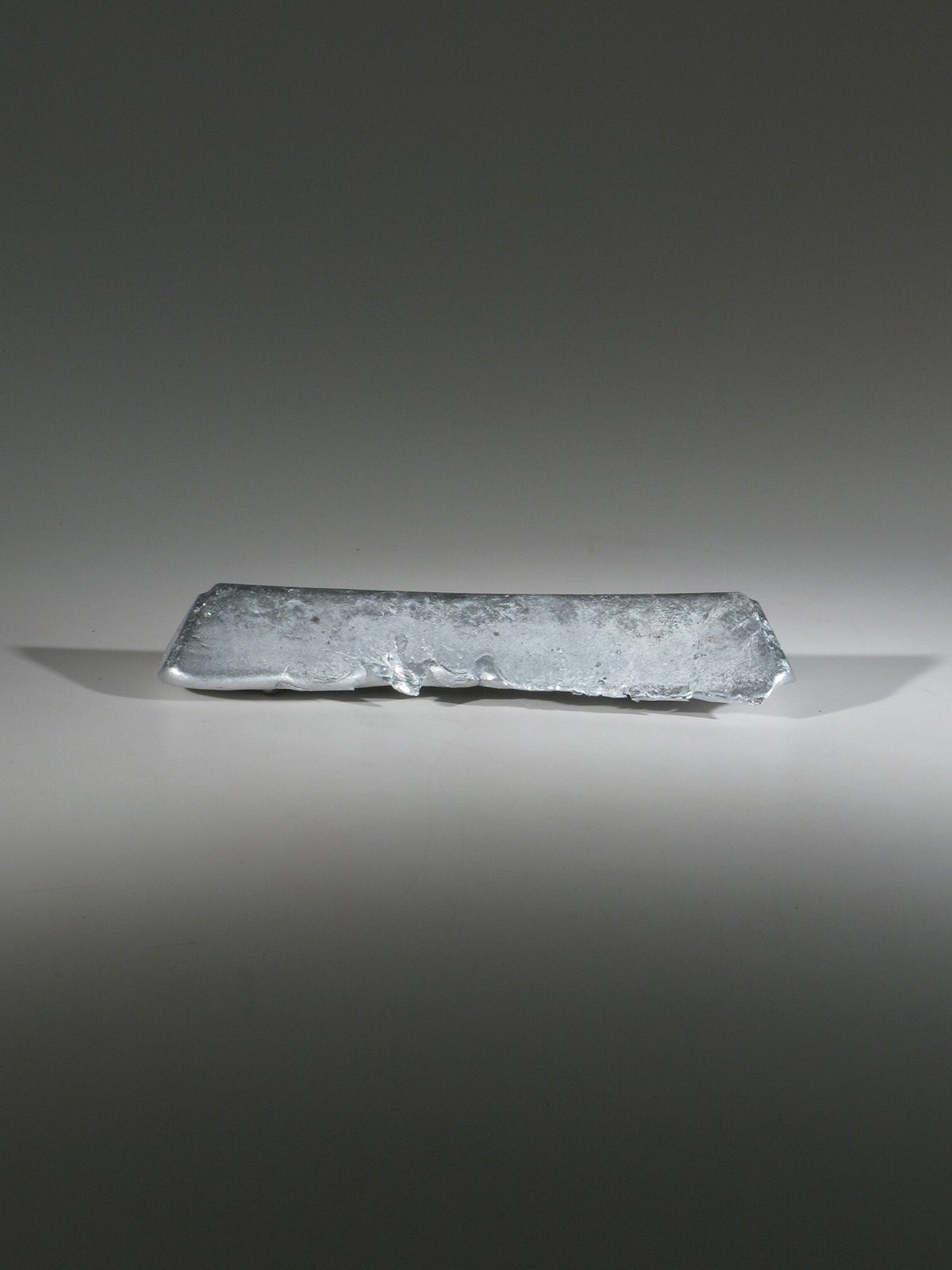
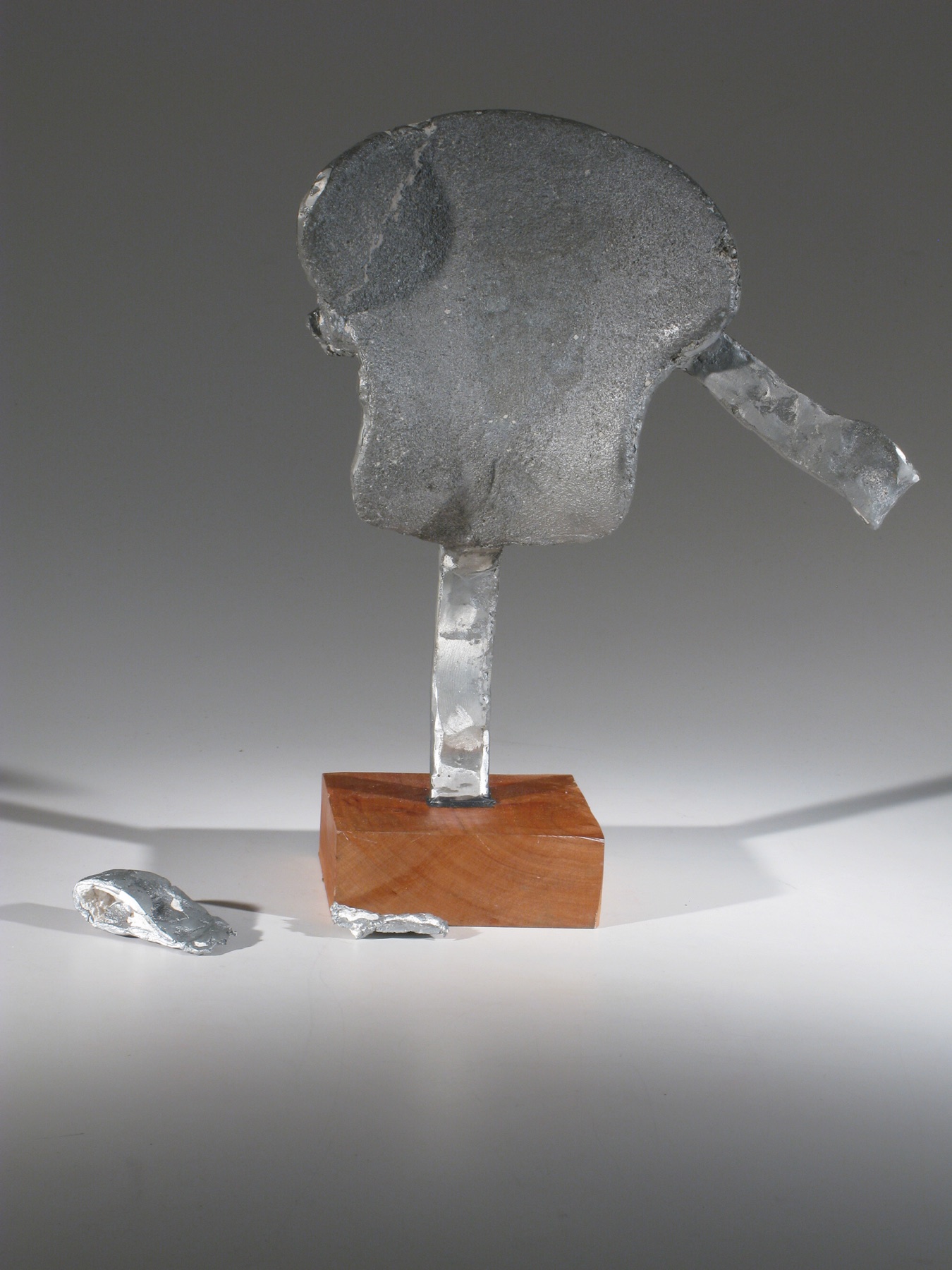
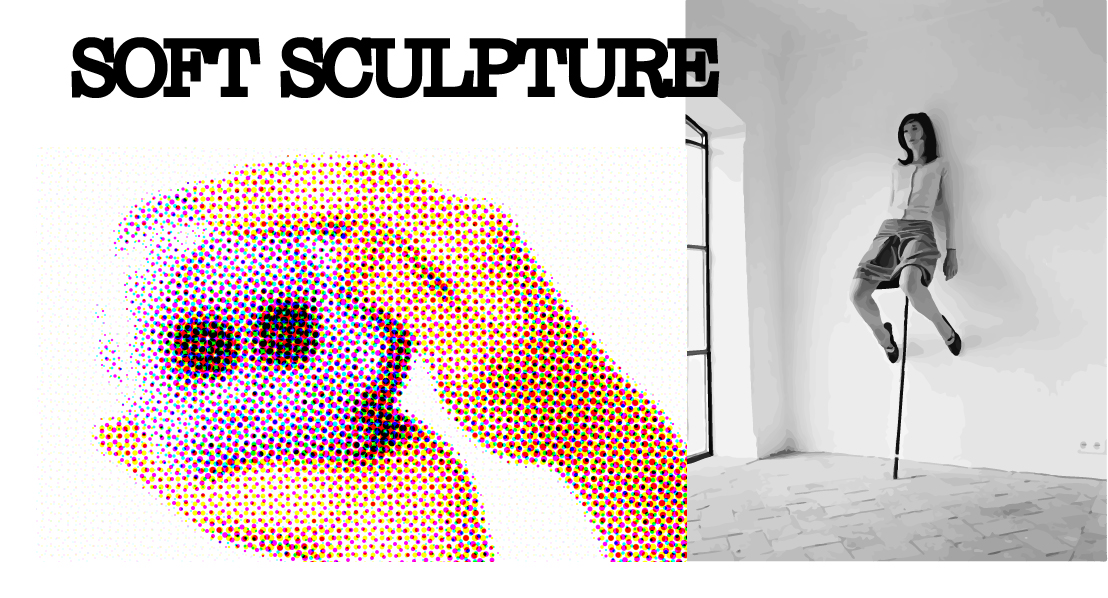
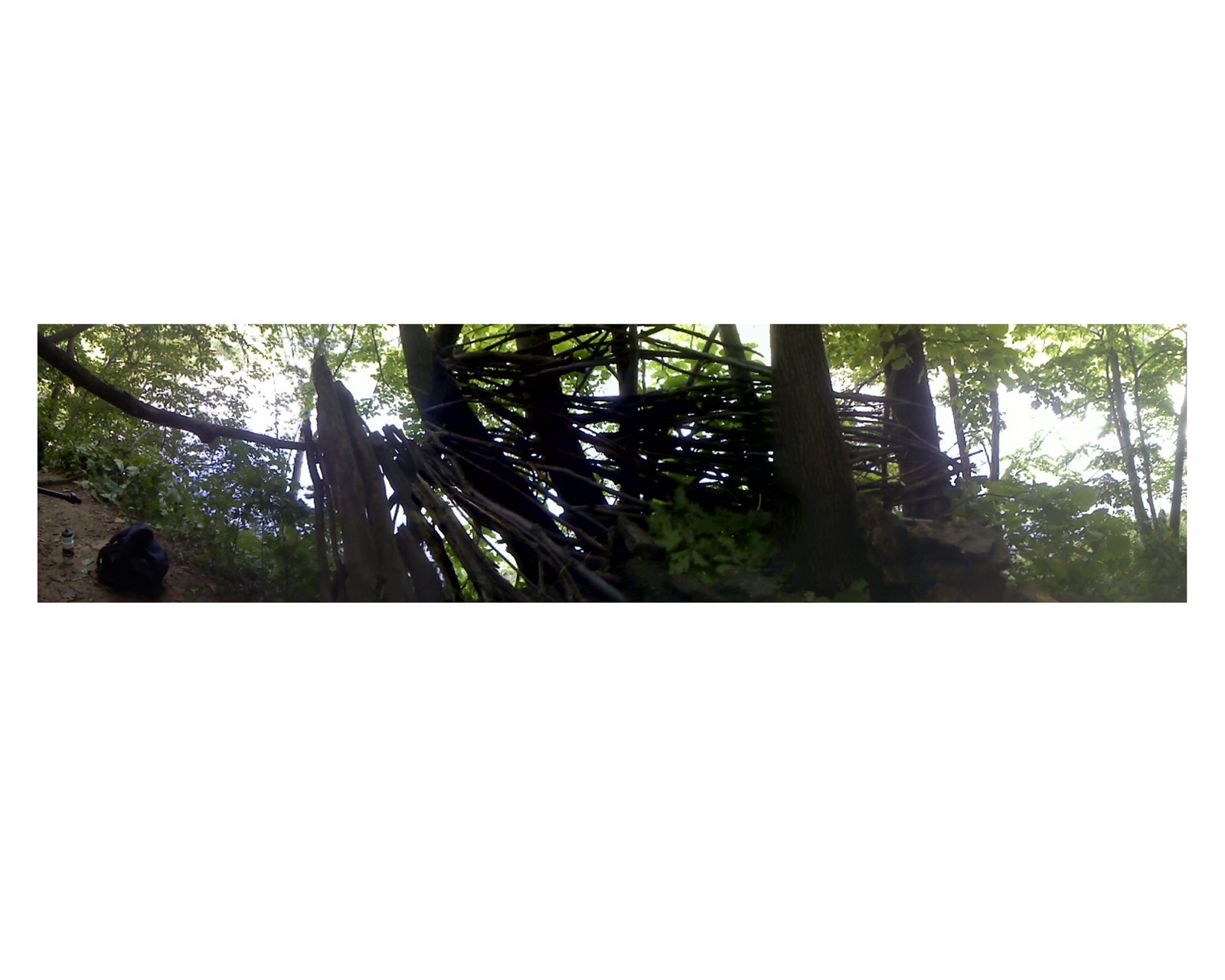
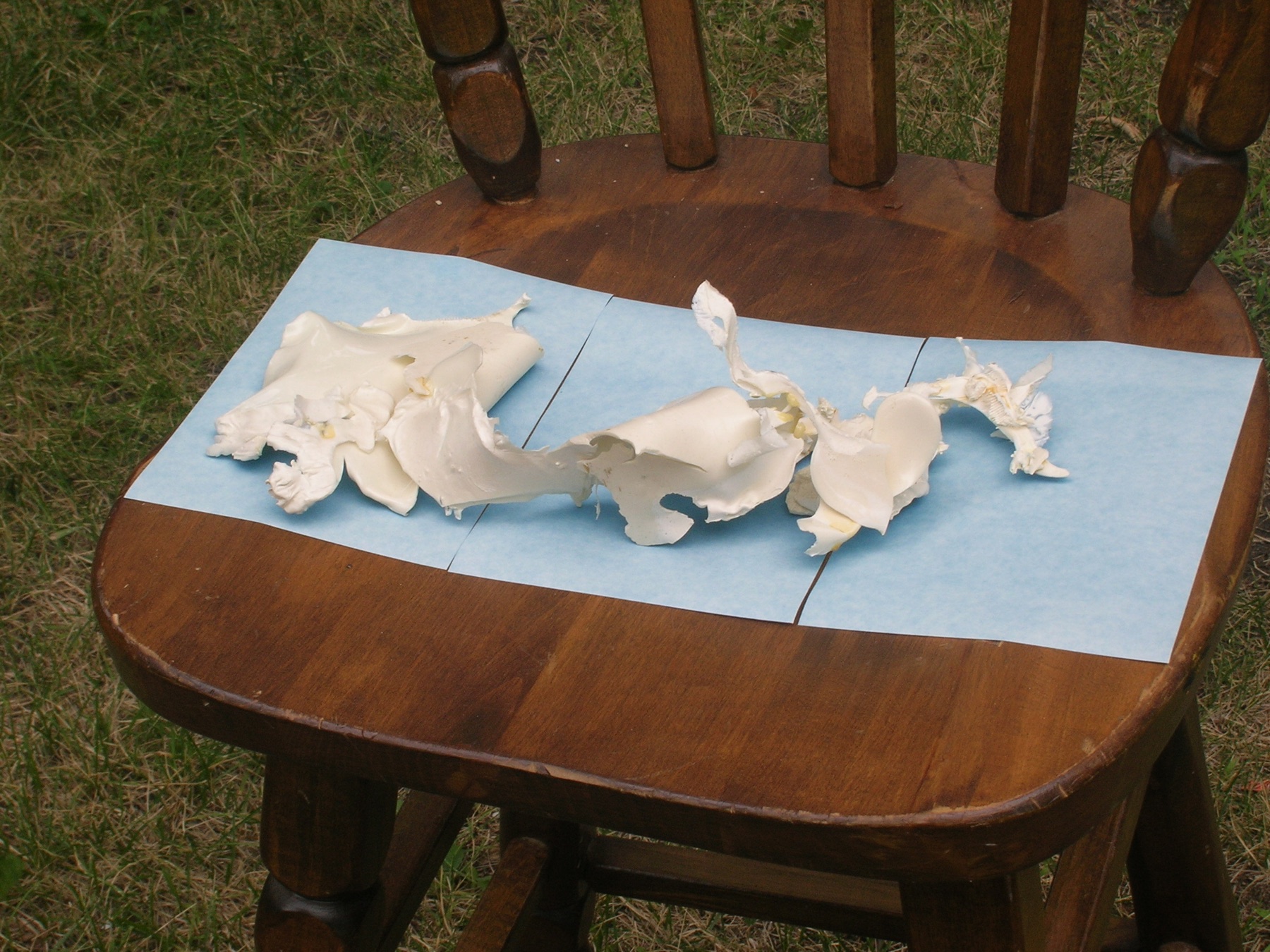
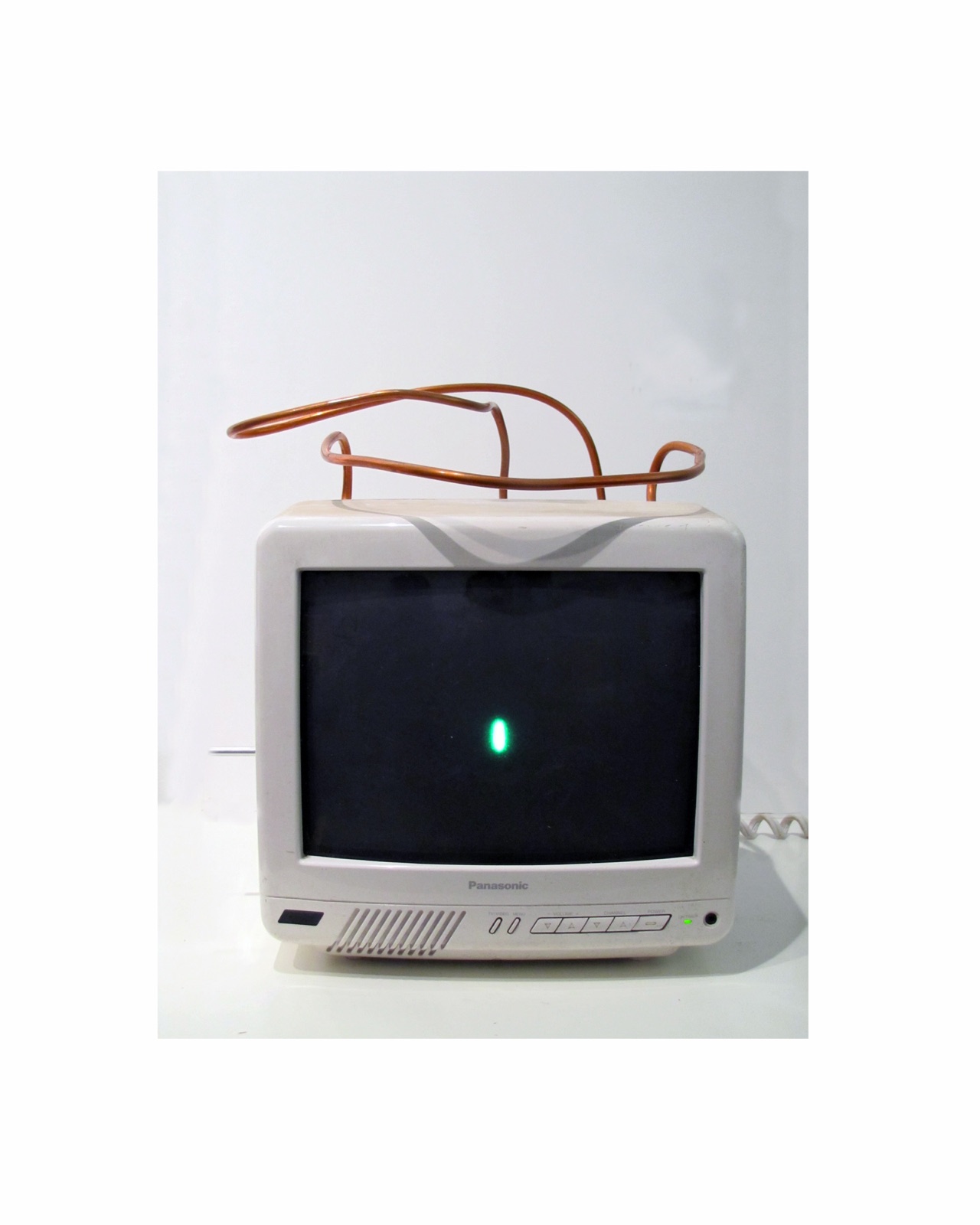
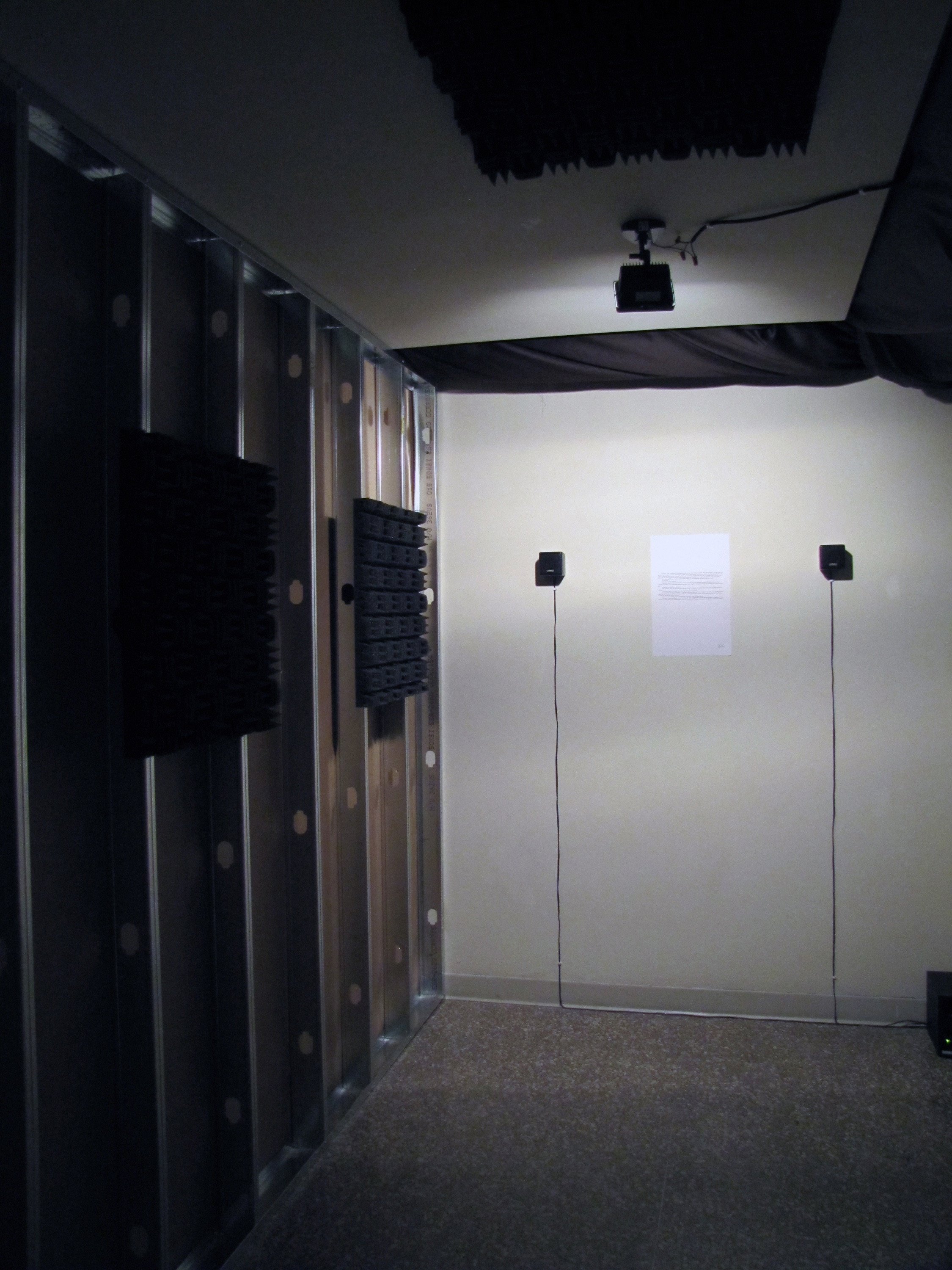
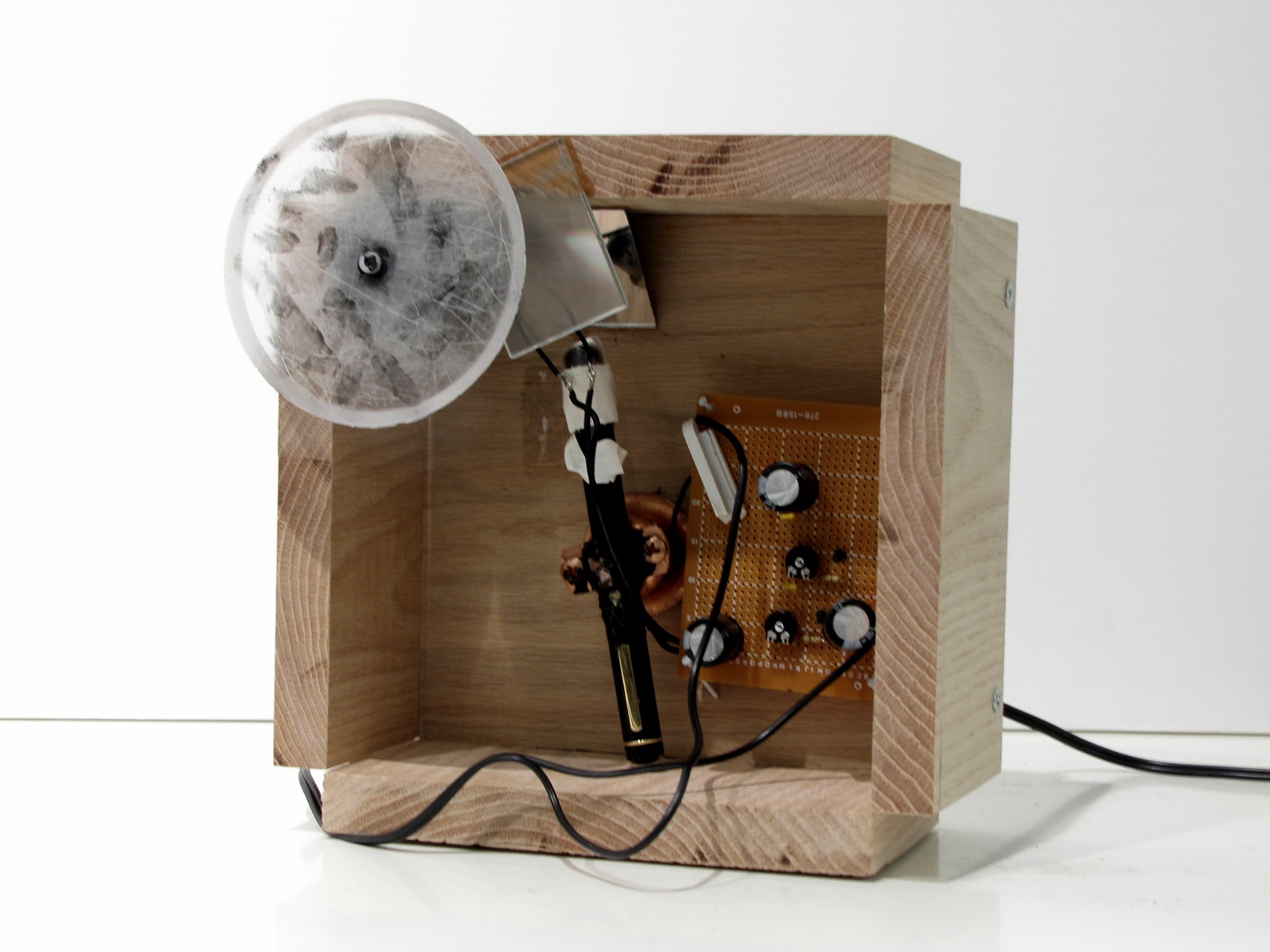
Preserved image pages
More archive pieces with images already on the site
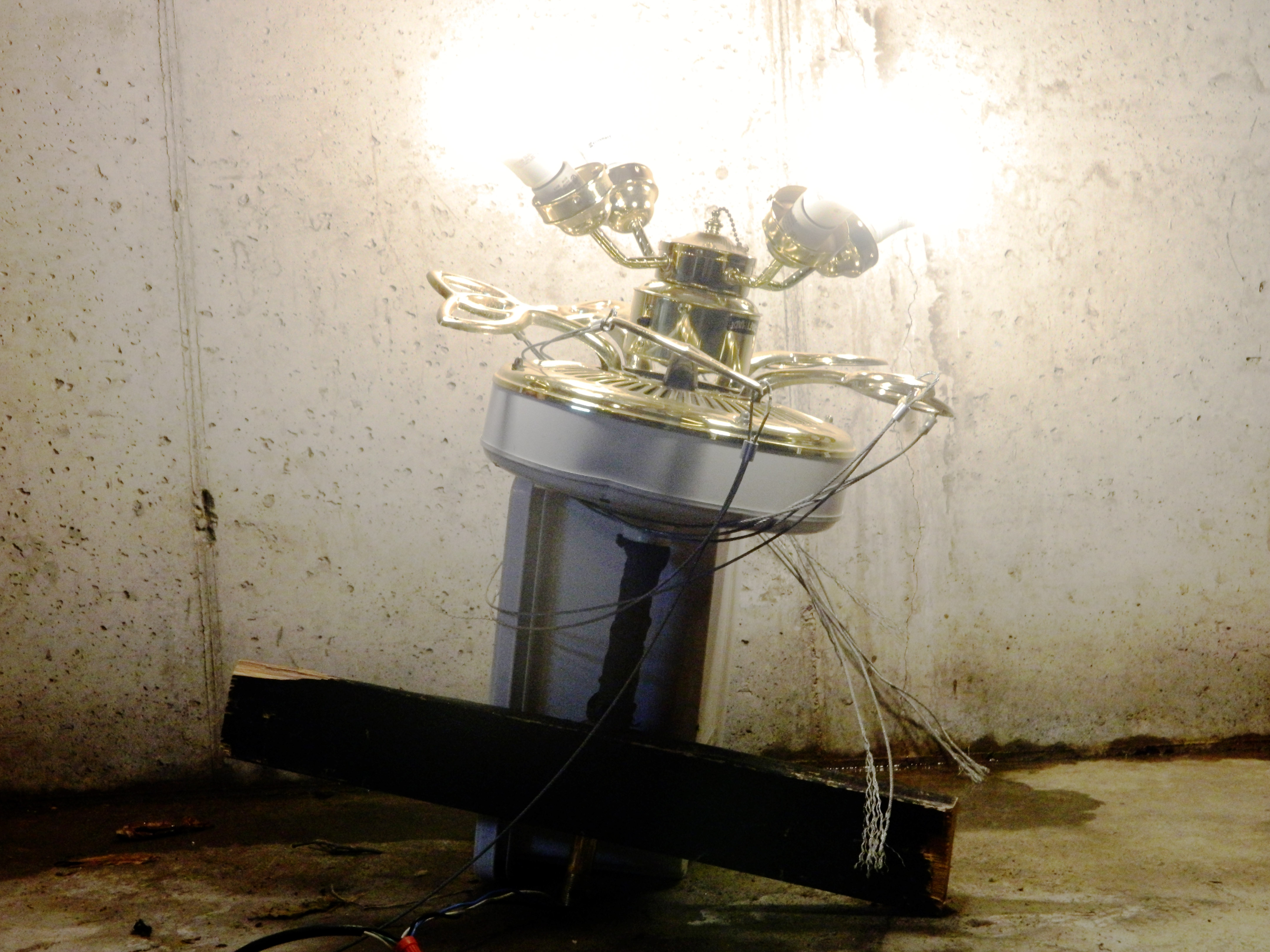
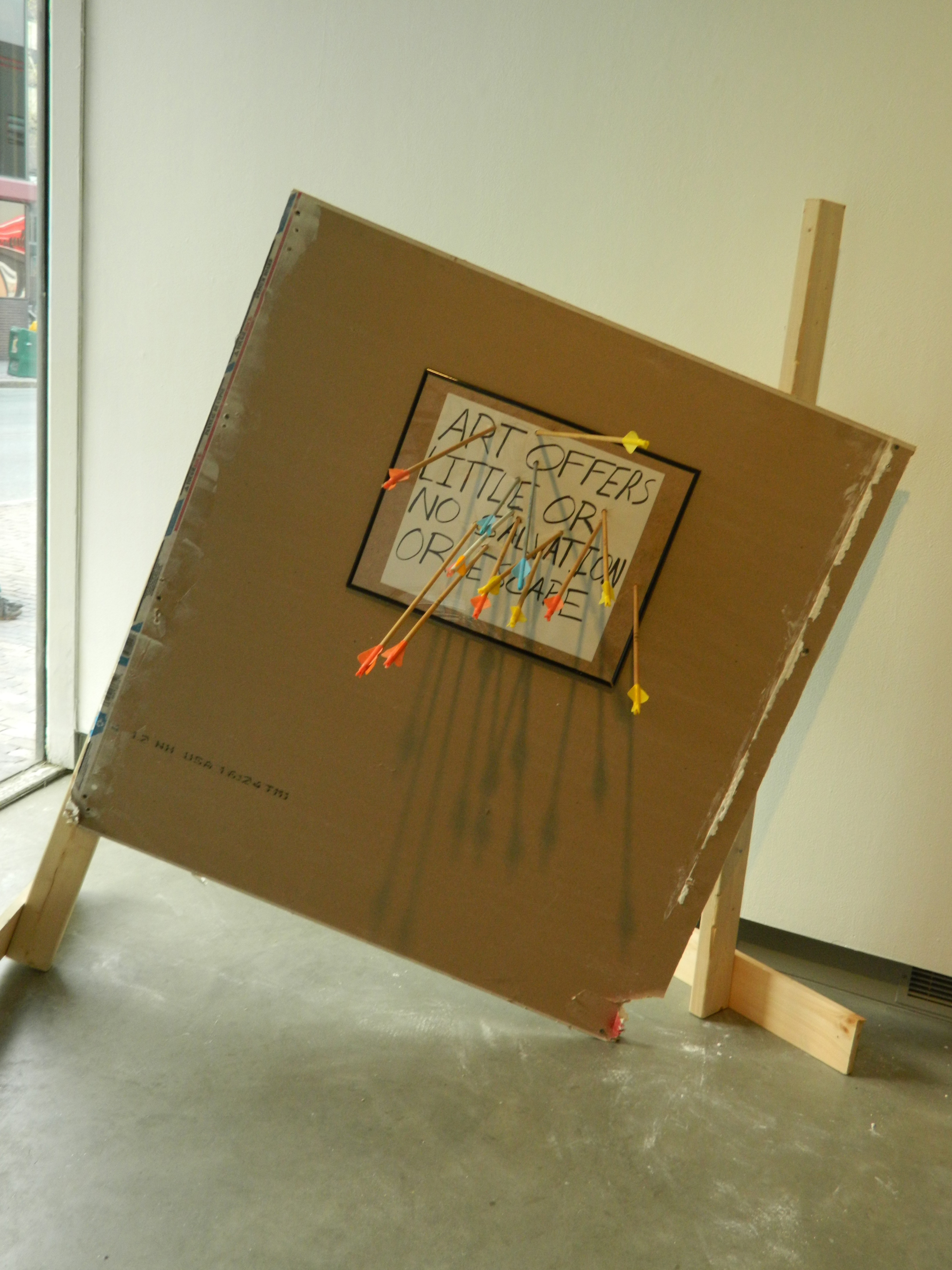
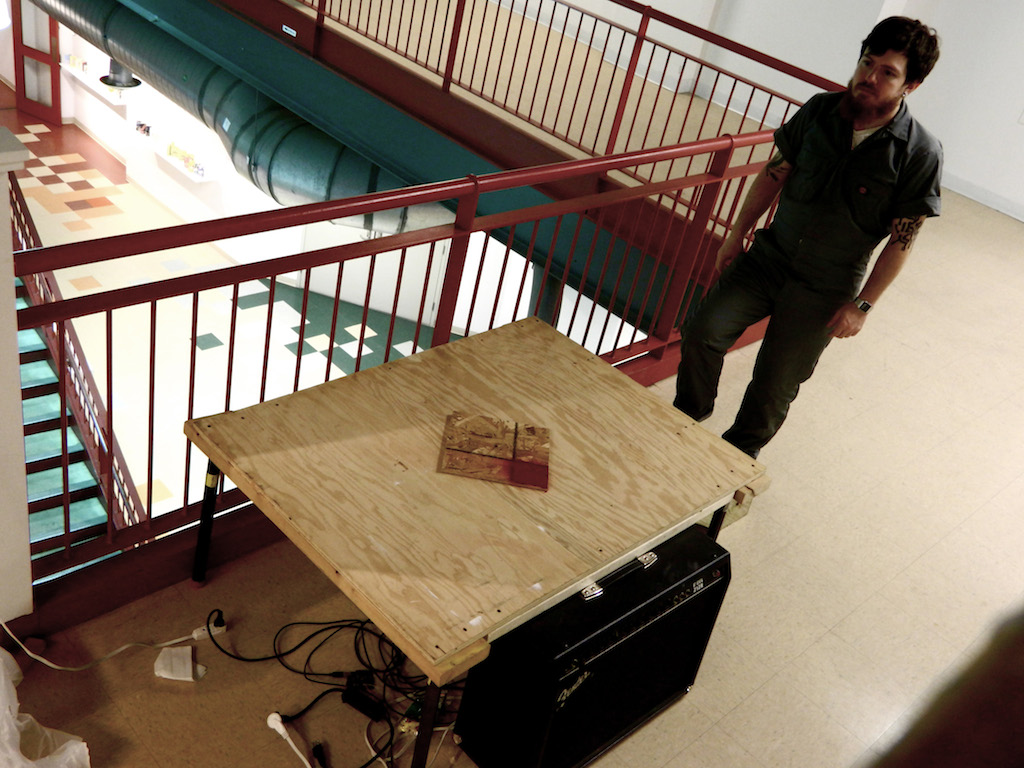
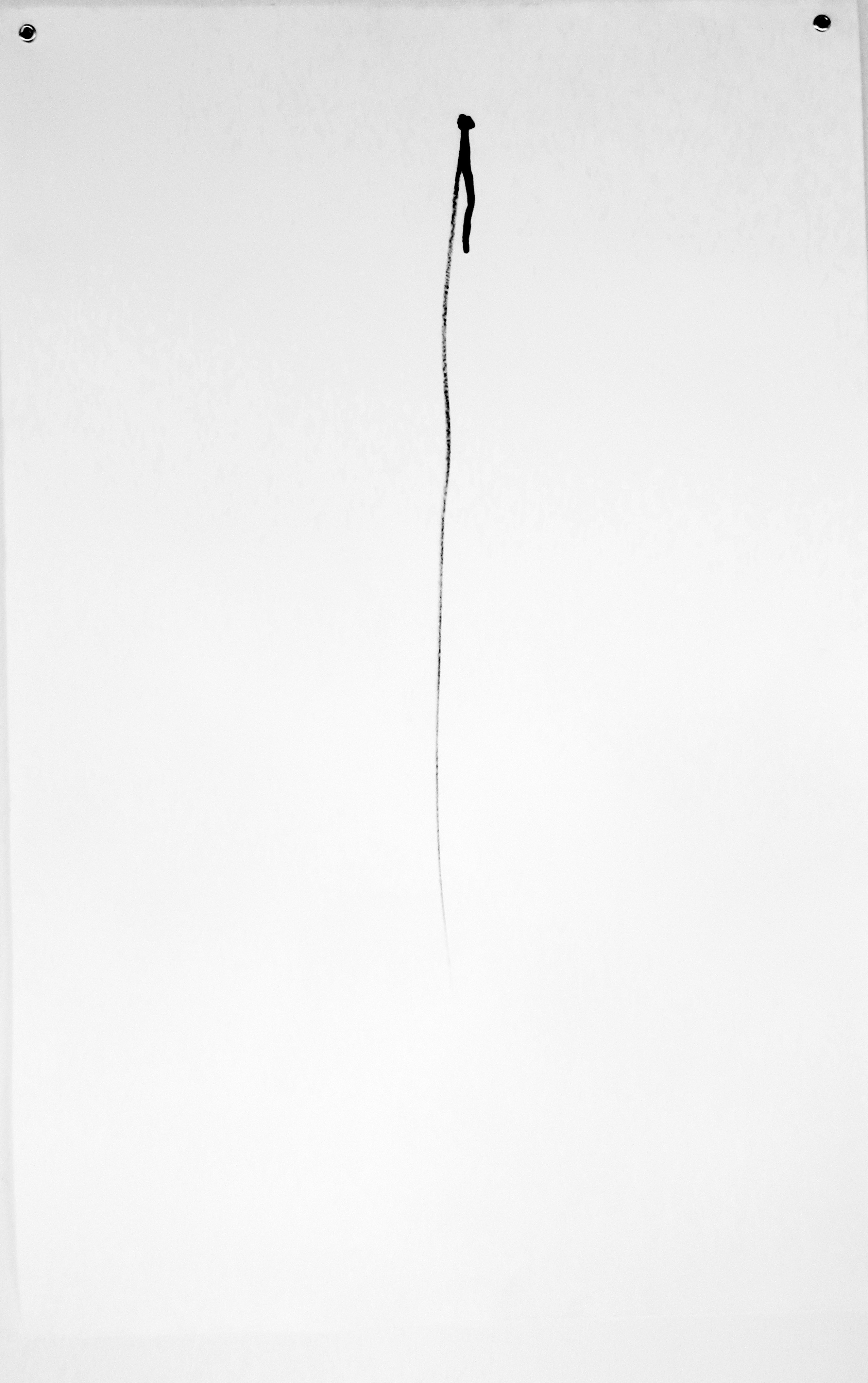
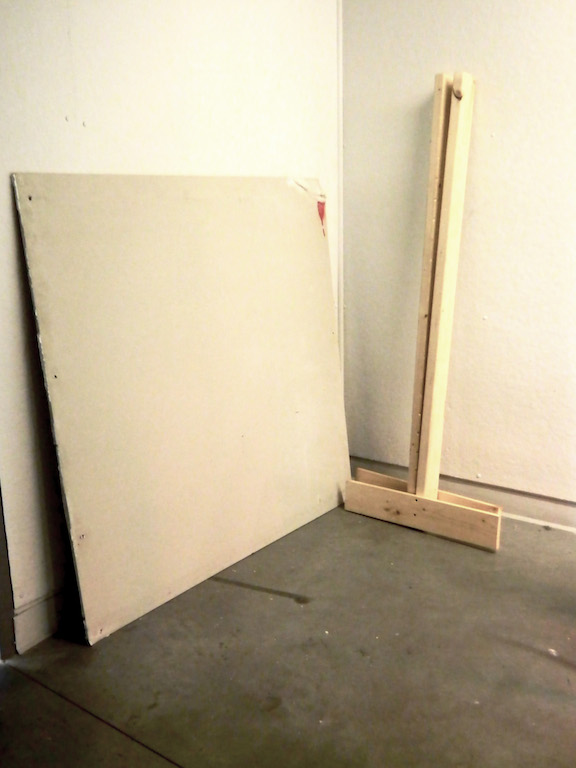
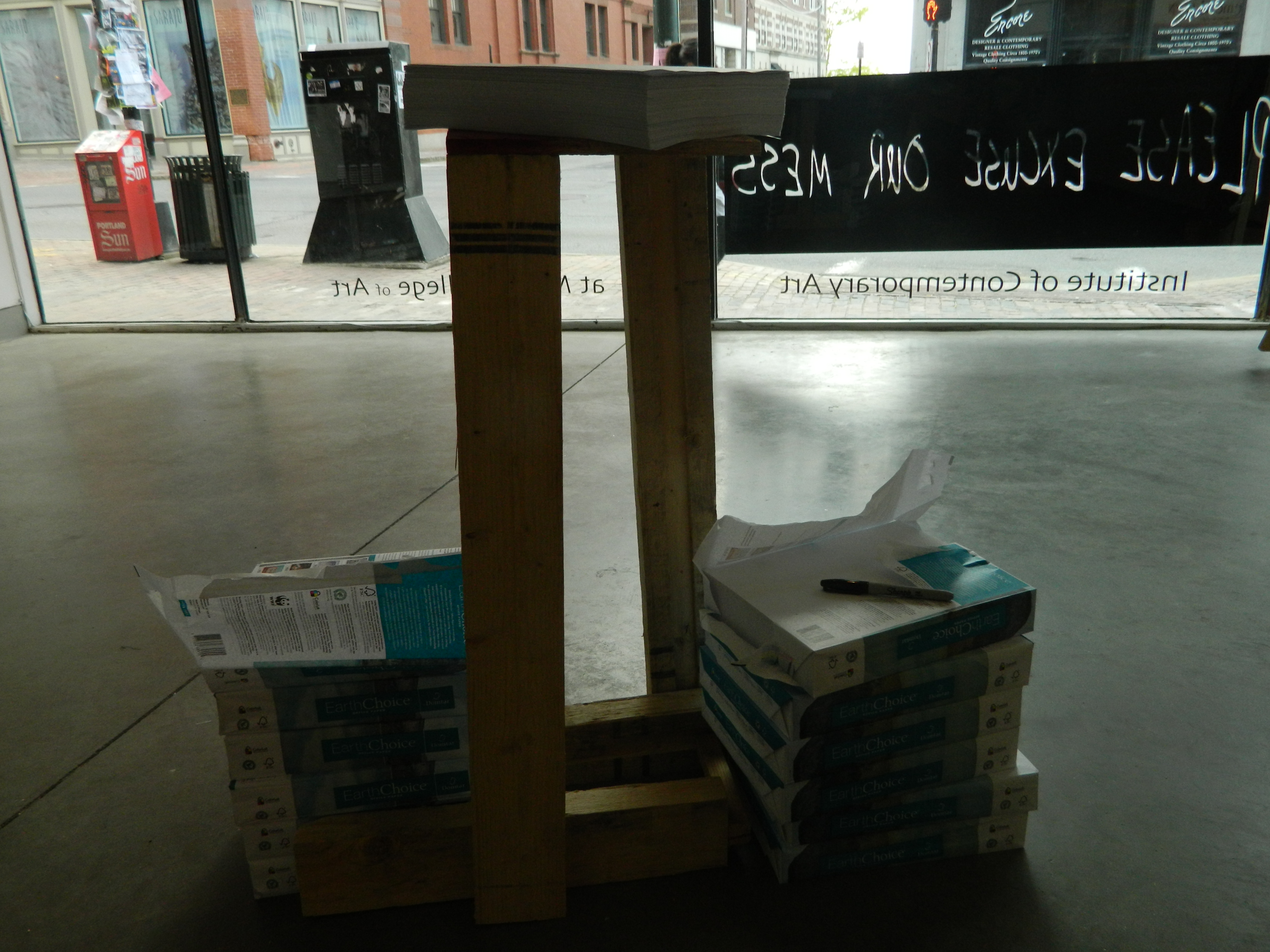
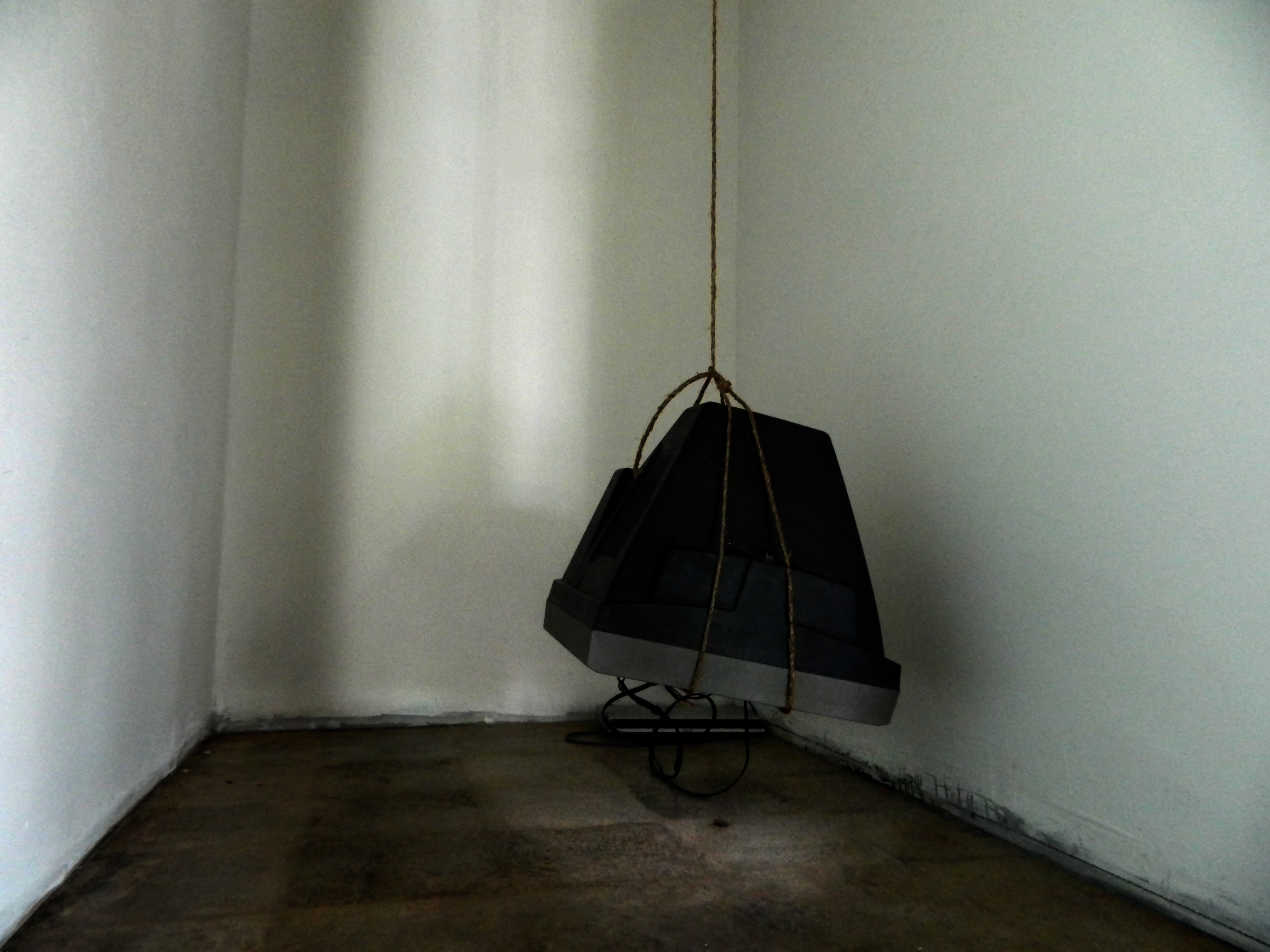
These do not all have full lineage distillations yet, but they are live image-bearing pages. They should be read as source material for future notes, not as missing work.
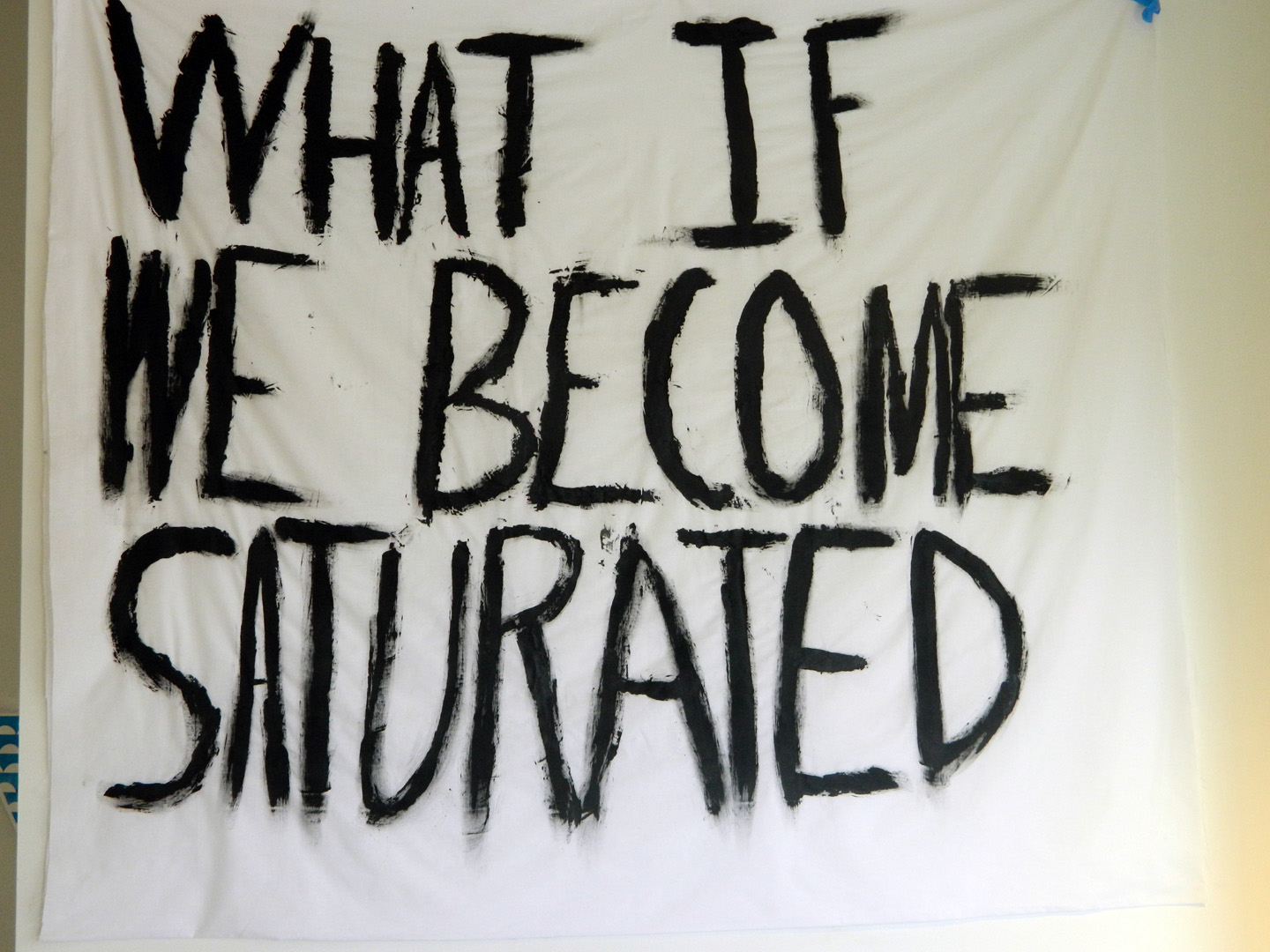
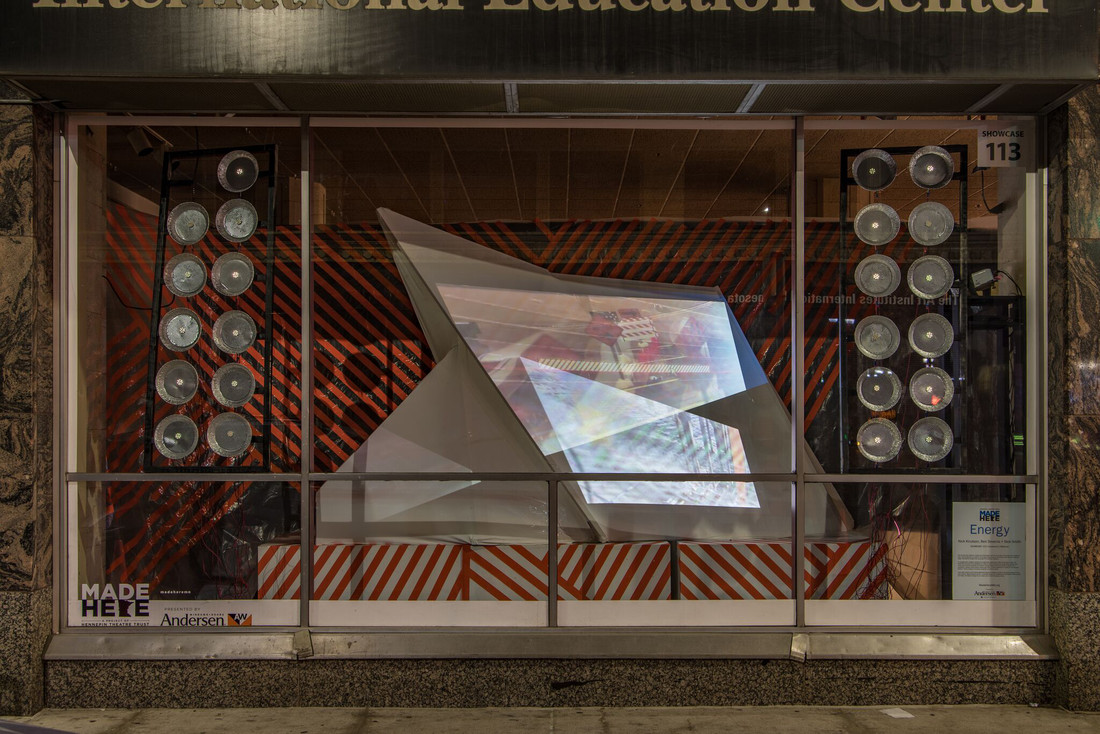
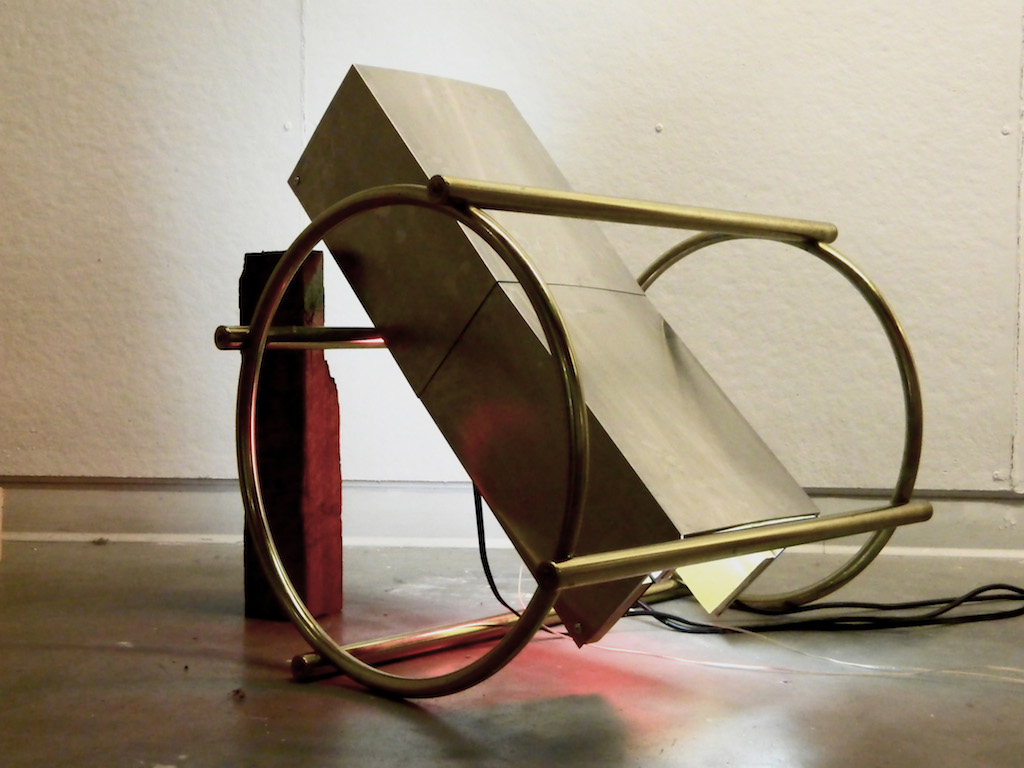
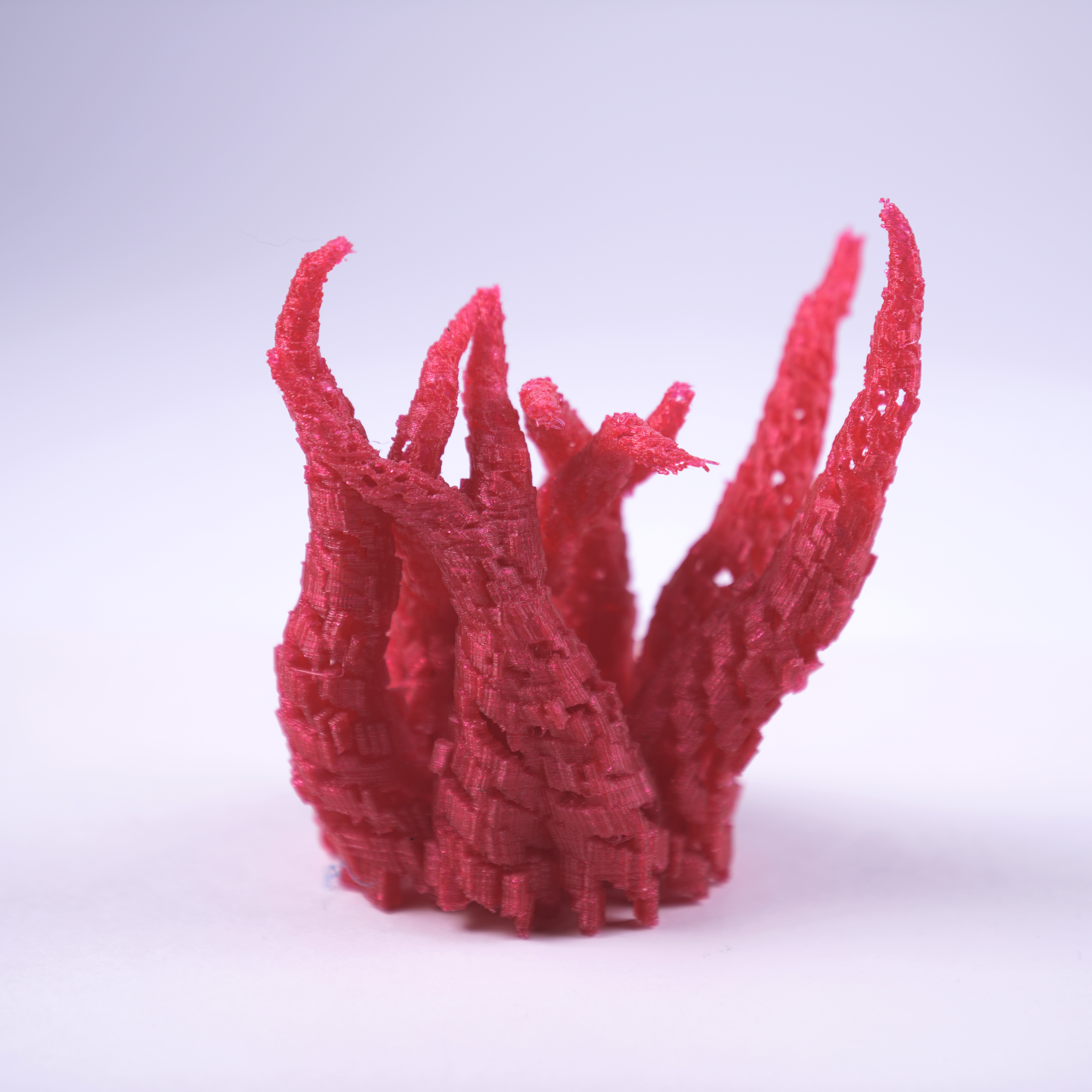
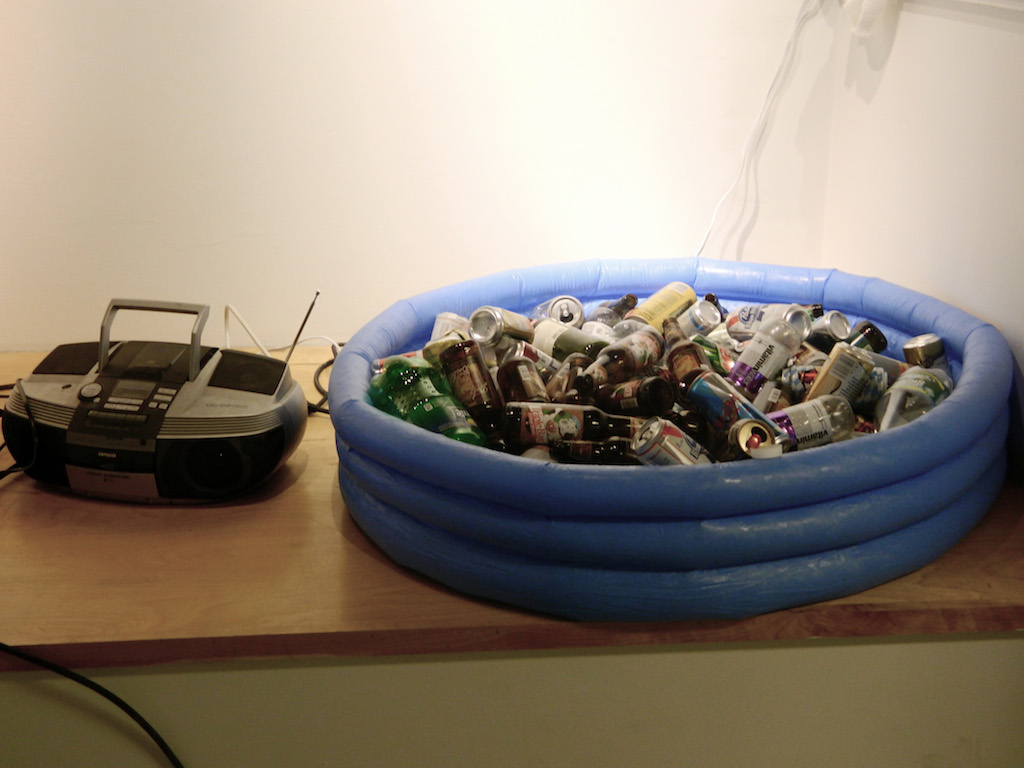
For broader preserved context, browse the 2D archive, the 3D archive, visit the Studio page, or open Atlas for the current fleet.